
7 Ways To Calculate Cavity Wall Insulation Costs
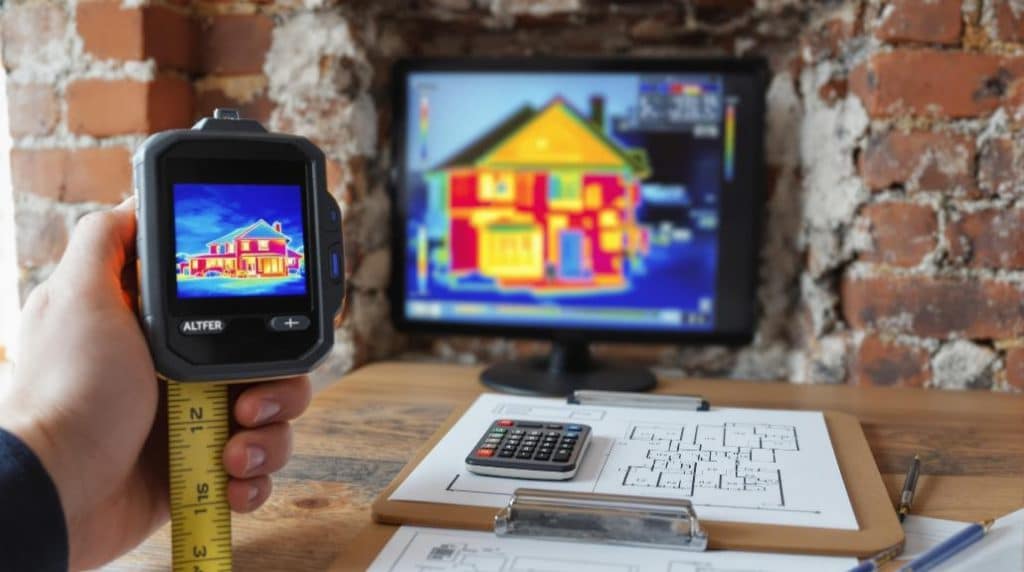
Calculating cavity wall insulation costs is easier than you might think! Start by measuring your property's size; larger homes need more insulation. Next, pick your insulation material—fibreglass is popular, but don't overlook foam or polystyrene beads. Consider any installation challenges like wall width and moisture issues, as these can affect your budget too. Remember, geographical location matters; urban areas can be pricier. Look into available grants to save some cash! Finally, think about the long-term benefits of energy savings, which can be a game-changer. Stick around, and you'll discover even more handy tips!
Key Takeaways
- Measure the size of the property, including wall height and lengths, to estimate insulation material needs accurately.
- Choose insulation material based on factors like cost, energy efficiency, and specific property conditions.
- Evaluate installation challenges, including cavity width and wall structure, that may affect overall costs and complexity.
- Consider geographical location, as labour costs vary significantly between urban, suburban, and rural areas.
- Research available grants and subsidies that can offset insulation costs, especially for low-income households.
Assess Property Size
When evaluating your property's size, it's vital to understand how it influences insulation costs. Larger properties need more insulation material, which can really add up. If you've got a multi-storey home, you're probably looking at even higher costs, thanks to the increased wall area. Just imagine measuring all those walls—counting windows and doors can feel like a workout!
To get a clear picture, measure your wall height from floor to ceiling and calculate wall lengths from corner to corner. Don't forget about the number of corners and the spacing of the studs; these factors play a big role in how much insulation you'll need.
Now, let's talk numbers. For example, semi-detached homes can cost between £1,150 and £2,500 for 50m². If you've got a bungalow, brace yourself for costs ranging from £750 to £2,200 for the same size!
Unique features like bay windows or tricky rooflines can also bump up your expenses, so keep that in mind. All in all, understanding your property size will help you plan your insulation budget better—and maybe save you from a few surprises!
Choose Insulation Material
Choosing the right insulation material is essential for maximising energy efficiency and comfort in your home. With several options available, it's important to find the one that fits your needs.
For instance, fibreglass is a popular choice because it's affordable and energy-efficient, making it a go-to for many homeowners. If you're concerned about fire safety and soundproofing, mineral wool is a fantastic option that offers exceptional fire resistance.
On the other hand, if you live in an older home, consider polystyrene beads. They're moisture and mould-resistant, helping you avoid unpleasant dampness.
Spray foam provides a high thermal performance, but be cautious—it can trap moisture if not installed correctly. Finally, foam boards, while lower in R-value than fibreglass, still deliver effective thermal performance.
When you weigh the costs, remember that high-quality insulation can lead to significant energy savings in the long run. Investing in the right material not only keeps your home cosy but can also pay off when it's time to sell.
Evaluate Installation Challenges
Before diving into cavity wall insulation, it's crucial to evaluate the installation challenges that may arise. First off, you'll want to assess your property's conditions. Is your cavity wide enough? Are there moisture issues lurking around? A thorough cavity wall assessment is key to spotting potential dampness before installation kicks off.
Next, consider the structural integrity of your walls. You need to make sure that sealing injection holes doesn't compromise strength. Also, keep in mind that wall size and cavity width can influence both complexity and cost. If you live in an apartment or a terraced house, you'll have to think about your neighbours, too!
Now, let's talk about potential problems. Improper installation can lead to moisture issues, thermal inefficiency, and even pest infestations—yikes! Nobody wants unexpected guests, especially of the creepy-crawly kind.
Lastly, while DIY might sound tempting, it can lead to costly mistakes. Hiring professionals often guarantees a job well done, saving you money in the long run. Remember, a little planning can go a long way in making your insulation project a success!
Consider Geographical Location
Understanding the installation challenges sets the stage for considering how your geographical location impacts cavity wall insulation costs. Where you live can really change the game! For instance, labour costs aren't uniform across the board; they vary based on your area's cost of living and demand for insulation services. Urban locations often face higher installation prices compared to rural ones.
To help you visualise, here's a quick comparison:
| Location Type | Cost Factors |
|---|---|
| Urban | Higher labour costs, more installers |
| Suburban | Moderate costs, balanced demand |
| Rural | Lower costs, fewer installers |
Local market dynamics also play a role. If there are many installers in your area, competition can lower prices. However, limited access and higher demand may bump them up. Seasonal changes can also affect costs, especially during peak seasons when everyone seems to want insulation done at once.
Explore Grants and Subsidies
How can you make cavity wall insulation more affordable? One great way is to explore available grants and subsidies.
In Ireland, the Sustainable Energy Authority offers grants that can cover a chunk of your insulation costs—up to €1,700 for detached houses. If you're in the UK, you've got options like the Great British Insulation Scheme and the Energy Company Obligation, or ECO4, which help fund insulation projects.
To qualify for these grants, your home needs to have cavity walls, and factors like your income and household circumstances come into play. If you're part of a low-income household or you have health issues due to cold living conditions, you might find additional support.
Getting started is simple! Research your local council initiatives, gather necessary documents, and reach out to approved installers.
They'll help you navigate the application process and conduct property assessments.
Use Cost Estimation Methods
When planning your cavity wall insulation project, using effective cost estimation methods is essential for budgeting accurately.
It's like preparing for a big dinner; you wouldn't want to run out of food halfway through! You'll need to take into account several factors to get a solid estimate.
Here are some key things to factor in:
- Property size: Bigger homes need more insulation, which can inflate costs.
- Insulation material: Different materials come with different price tags. For example, PUR and Sheep's Wool can run you up to £35 per m²!
- Installation costs: Labour charges often vary, so shop around for the best deal.
To kick off your calculations, measure your wall cavity dimensions—height, length, and width.
Then, apply manual calculations based on the R-value you aim for. If maths isn't your thing, don't fret! Online insulation calculators can simplify things by letting you input your wall details.
Factor in Long-Term Benefits
Once you've gotten a handle on your cost estimates, it's important to contemplate the long-term benefits of cavity wall insulation.
Sure, the upfront costs might seem overwhelming, but think about the savings! By reducing heat loss by up to 35%, you could see your energy bills drop considerably. Imagine enjoying a cosy home year-round while saving up to 25% on heating costs—sounds like a win-win, right?
But that's not all! Insulating your walls can actually increase your property value. Homes with energy-efficient features are more appealing to buyers, and a well-insulated home is just more comfortable and inviting.
Plus, it's a long-term solution that helps the environment by lowering your carbon footprint. You'd be doing Mother Nature a solid!
And let's not forget durability—cavity wall insulation typically lasts around 30 years! That's three decades of reduced maintenance and hassle.
With materials like Carbonplus, you're looking at fire resistance and exceptional thermal performance.
Conclusion
In the end, figuring out your cavity wall insulation costs doesn't have to be a headache. By evaluating your property size, choosing the right material, and considering location, you're already on the right track. Plus, don't forget about those handy grants! It's all about making smart choices for your home and wallet. So, roll up your sleeves, crunch those numbers, and get ready to enjoy a cosier, more energy-efficient space. You got this!