
7 Ways to Monitor UK Home Meter Readings
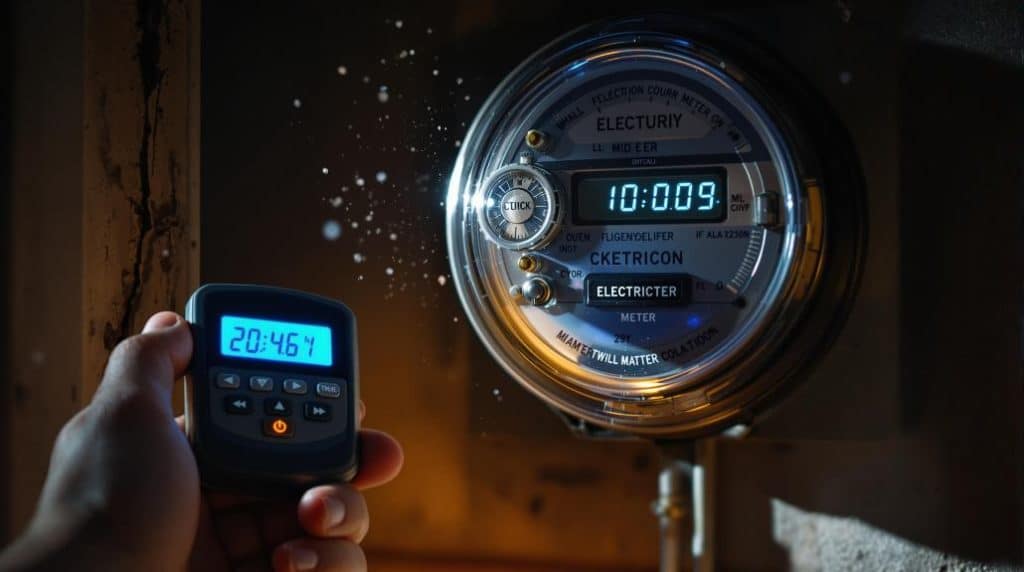
To keep tabs on your home meter readings in the UK, start by understanding your meter type—credit, prepayment, or dial. Next, embrace your smart meter's features for real-time updates and automatic data transmission. It's also a good idea to regularly jot down readings, so you can track your usage accurately. Implementing energy monitoring systems can further enhance your insight. Don't forget to analyse your consumption patterns and set automated alerts for unusual spikes. Finally, compare your current data with historical trends. This way, you'll stay empowered and save money—just stick around to uncover even more handy tips!
Key Takeaways
- Utilise smart meters for automatic data transmission and real-time monitoring of energy consumption and costs.
- Regularly record manual readings from credit, prepayment, or dial meters to track usage trends and prevent billing errors.
- Access mobile apps or online portals for easy monitoring and detailed analysis of your energy usage.
- Implement energy monitoring devices to identify high-energy appliances and optimise consumption habits.
- Analyse historical data and seasonal trends using spreadsheets to make informed energy management decisions.
Understand Your Meter Types
Understanding your home meter types is essential for effectively monitoring energy usage and managing costs. There are a few main types of meters you'll encounter, and knowing how each works can save you time and money.
First up are credit meters, the most common in the UK. They measure electricity in kWh and gas in M³, using five black numbers on a mechanical display. Just remember to read from left to right, ignoring any pesky red numbers.
Next, we've prepayment meters. They require you to pay for energy before you use it, often through a nifty prepayment key or card. Just pop it in, wait a few seconds, and you're good to go!
Dial meters may seem old-fashioned, but they've got their charm. You'll read the dials from left to right, noting the last number passed if the needle's in between.
Lastly, special meters like Economy 7 offer different rates for heating and hot water. They can be a bit tricky, but once you get the hang of it, you'll be monitoring your usage like a pro!
Utilize Smart Meter Features
By taking advantage of smart meter features, you can considerably enhance your energy management. First off, these nifty devices automatically send your gas and electricity usage data to your supplier, so you can forget about those pesky manual readings.
With real-time data displayed on your In-Home Display (IHD), you'll see exactly how much energy you're using and how much it costs at any moment. It's like having a personal energy coach right in your living room!
The IHD also lets you track your usage in kWh and pounds, helping you identify patterns and find ways to save. Ever wondered which appliance guzzles the most energy? With smart meters, you can monitor individual devices, making it easier to cut back on energy hogs.
Plus, there's no need to worry about privacy. Smart meters use a secure national network to keep your data safe.
And as they adapt to dynamic pricing, you might even save a bit more on your bills during off-peak hours. So, immerse yourself in the smart meter world, and start making smarter choices for your home and wallet!
Regularly Record Readings
Regularly recording your meter readings is essential for effective energy management. Whether you have an electricity or gas meter, knowing how to read it correctly can save you from unexpected bills. If you've got a digital meter, just focus on the first five numbers from left to right, ignoring any red ones. For analogue dials, remember to read from left to right and note the lower number if the pointer's between two digits. Trust me, it's easier than it sounds!
Make it a habit to jot down your readings along with the date and time. This helps you track your usage and budget better for bills. Plus, keeping a little chart of your weekly or monthly readings can be a fun way to see how your consumption changes.
If you ever find yourself in a billing dispute, having those records handy could be a lifesaver.
Don't forget to check with your supplier on how they want those readings submitted—whether online, over the phone, or via post. So grab that notebook, and start recording! Your future self will thank you when those bills come in.
Implement Energy Monitoring Systems
Implementing energy monitoring systems can greatly enhance your ability to manage energy consumption effectively. With systems like Emporia Vue, you get real-time insights into your energy use, allowing you to see where your money's going. Imagine knowing exactly how much energy that old fridge or your TV is guzzling!
Accuracy is key, so opt for Class 0.5 metres, which provide precise data. You can also integrate solar energy monitoring, giving you a clear picture of how much energy you're sending back to the grid.
Plus, advanced systems often come with extra sensors, letting you monitor air quality and occupancy – perfect for keeping your home comfortable.
Don't forget about user-friendly interfaces like HeatingSave, which present all this data in an easy-to-read dashboard. Proper installation is essential, so make sure your electric metres and sensors are set up correctly.
Finally, stay connected! A solid communication setup, whether through WiFi or cellular, keeps your system running smoothly.
Incorporating these features not only helps you save energy but might also make you the most environmentally conscious person on the block!
Analyze Consumption Patterns
How can you make sense of your energy usage? First, look at your dwelling's characteristics. If you live in a larger, older home, you might notice higher gas and electricity bills. For instance, a D-rated house can consume 27% more gas than a C-rated one. Crazy, right?
Next, keep an eye on your usage patterns. You'll likely see gas usage peak around 7:00 AM, whilst electricity spikes around 6:00 PM. This is when most folks are getting ready for work or cooking dinner. If you have more people living with you, expect those bills to climb, especially in winter when heating is a must.
Don't forget about those pesky appliances! If you own a bunch of gadgets, like a shiny new electric vehicle or heat pump, you might be using more energy without even realising it.
To really get a grip, jot down your metre readings weekly or monthly. Charting this data can help you spot trends and budget better.
Who knew monitoring energy could feel like a detective story? You're piecing together clues to save some cash and help the planet!
Set Automated Alerts
While managing your energy usage, setting up automated alerts can be a game-changer. Imagine receiving an email that tells you exactly when your energy consumption spikes or when there's a potential leak—it's like having a personal energy assistant!
With services like MeterOnline, you can customise alerts to fit your lifestyle. Whether you want daily, weekly, or monthly reports, you can choose what works best for you.
These alerts aren't just about keeping you informed; they save you time by automating the metre reading and reporting processes. Plus, you'll reduce the risk of errors in your billing. Who doesn't want to avoid those surprise charges on their bill?
You can even set up threshold alerts, so if your energy use skyrockets, you'll be the first to know.
And let's not forget about the convenience of integrating these reports with Microsoft Excel. So, whether you're a data whiz or just trying to keep your household budget in check, automated alerts help you stay on top of your energy management.
It's a smart way to keep your home running smoothly and your costs in check—who wouldn't appreciate that?
Compare Historical Data
Automated alerts not only keep you informed about your current energy usage but also provide a foundation for comparing historical data. By tracking your meter readings over time, you can spot trends, verify bills, and even catch discrepancies before they become bigger issues.
To make this easier, you might want to keep a simple log of your readings. Here's a quick example of how you can set it up:
| Date | Meter Reading (kWh) | Bill Amount (£) |
|---|---|---|
| 01/01/2023 | 350 | 50 |
| 01/02/2023 | 400 | 55 |
| 01/03/2023 | 450 | 60 |
With this table, you can see how your usage and bills change month to month. Spotting a sudden spike in your consumption? It could be due to a leaky tap or, let's be real, those late-night Netflix binges. By comparing your current readings against historical data, you empower yourself to make informed decisions about your energy use. Keeping your bills in check is like having a superpower, and who doesn't want that? So, start tracking, and let those historical comparisons work for you!
Conclusion
So, there you have it! Keeping an eye on your home meter readings isn't just smart; it can save you money and help the planet, too. By knowing your meter types and using technology to your advantage, you can become an energy-saving superhero in your own home. Plus, sharing those readings with family can spark some fun conversations about energy use. So, grab that meter and start monitoring—your wallet will thank you!
George Lane
Gas Safe Registered Engineer (No. 515374) with 20+ years experience in boiler repairs and servicing across North Kent. G3 qualified for unvented hot water systems.
About George